Peyman Molavi's interview with Al Jazeera International Network
What is the reason for the fluctuations of these past few days? Is it getting worse?
The trend of devaluation of the rial in Iran, like all countries facing devaluation of their currency, is due to "inflation" which is growing exponentially.
Point-to-point inflation has reached more than 52% in the past month, and this was predictable. The reason for this predictability is two important components:
The sharp growth of the Central Bank's M2 liquidity in the past few months, which has grown to more than 36%, and the sharp decline in economic growth.
Liquidity growth has always existed in Iran, but after the first round of nuclear sanctions from 2011 to today, M2 liquidity in Iran has increased 31 times, while the average economic growth has been at most 1%, and this has caused stable inflation.
The sharp decline in oil revenues, along with the deep recession that has brought economic growth, has made the devaluation of the rial stable and certain.
There are several reasons for these fluctuations, one of which is the lack of return of export dollars to the country, which is attributed to export trusts and is considered the most important reason for the decline in oil exports. Also, the government's 2015 budget itself reflects the weakening of economic power, with 70% of oil revenues showing a decline and 60% referring to higher tax revenues.
Therefore, the devaluation of the rial is inevitable with the continuation of rising inflation above 60%.
What impact does this price and inflation have on people's livelihoods?
The devaluation of the rial has caused the minimum wage in dollars in Iran to fall below $80 per month, which means deepening poverty and economic misery.
The decrease in purchasing power causes a decrease in consumption on the economic demand side and a wider recession.
With continued inflation, this trend will cause serious damage to the middle class and push them to the lower layers of society and make them poorer.
The purchasing power of Iranians in dollars has decreased by 100% in the past year, which has also been accompanied by a decrease in their dollar wealth.
The cycle of inflation and devaluation of the rial in the future will cause the per capita income of Iranians to decrease to the level of Pakistan, which I published a few years ago in an article titled "The Pakistaniization of the Iranian Economy".
Do you think fluctuations can be stopped?
In the short term, the Central Bank can stop the decline for a short time by intervening in the supply and demand process, severely restricting imports, and creating currency queues, but without controlling inflation, upward fluctuations will sooner or later show themselves again.
Iran's foreign trade freedom ranking is 165 out of 165 (source: Fraser Institute), which means very strict control over imports and foreign exchange allocation.
The rial has lost 43 times its value in the past 10 years, and this trend will continue with the continued growth of liquidity (Money Supply) and lack of economic growth.
Also, economic, political and international risks have increased the process of converting the rial into dollars and gold, and this itself is the catalyst for the devaluation of the rial.
The lack of a clear economic outlook for the public, along with the government's severe budget deficit, will accelerate this process.
A question that bothers every Iranian's mind!
Iran has the second largest gas and oil resources and 7% of the world's mineral resources
That is, with almost 10% of underground resources and only 0.3% of the world's GDP, why?
The economies of Turkey and Saudi Arabia have become 4 times larger than Iran!
How have they been able to achieve economic growth?
Peyman Molavi's speech at the Isfahan Chamber of Commerce about the role of women in the sustainability and survival of businesses
Peyman Molavi, economist and author of the book Dance of the Markets, gave a speech on Monday, November 25, 1404, at the Isfahan Chamber of Commerce about "The Role of Women in the Sustainability and Survival of Enterprises with an Approach to Wealth Management."
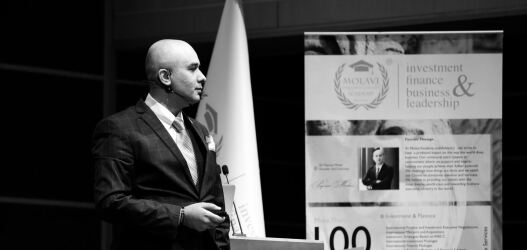
Peyman Molavi, in an interview with Al Jazeera, said that the devaluation of the rial is directly related to the increase in inflation in the Iranian economy.