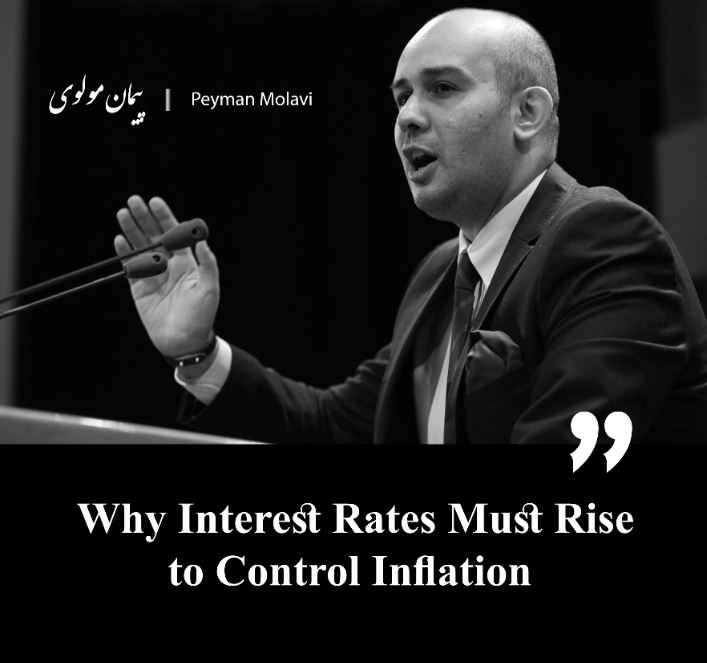
Inflation occurs when the overall level of prices in an economy rises faster than the purchasing power of money. While moderate inflation can be a sign of economic growth, persistently high inflation erodes savings, reduces real incomes, and creates uncertainty for households and businesses. One of the primary tools available to central banks to combat inflation is increasing interest rates.
When interest rates rise, borrowing becomes more expensive for consumers and businesses. Higher mortgage rates, business loan rates, and credit costs discourage excessive spending and investment. As demand in the economy slows, businesses face less pressure to raise prices, helping to reduce inflationary momentum.
Higher interest rates also encourage saving rather than spending. Individuals and institutions receive better returns on deposits and fixed-income investments, which further reduces consumption demand. This shift helps rebalance economies where spending has grown faster than productive capacity.
In addition, higher interest rates can strengthen a country’s currency by attracting foreign capital. A stronger currency reduces the cost of imported goods and commodities, helping to moderate inflationary pressures originating from abroad.
Perhaps most importantly, interest rate increases influence expectations. If households, businesses, and investors believe that inflation will remain high, they adjust wages, prices, and investment decisions accordingly, creating a self-reinforcing inflation cycle. Decisive monetary tightening signals a commitment to price stability and helps anchor inflation expectations. However, raising interest rates is not without costs. Higher rates can slow economic growth, reduce investment, increase unemployment, and place pressure on highly indebted households, companies, and governments. For this reason, policymakers must balance the need to control inflation against the risk of causing a severe economic slowdown.
In summary, interest rate hikes are used to control inflation because they reduce excessive demand, encourage saving, strengthen currencies, and stabilize inflation expectations. Although this policy can be economically painful in the short term, maintaining price stability is generally considered essential for sustainable long-term economic growth.