The Strait of Hormuz: Why Iran Is Fighting to Preserve Economic Leverage
The Strait of Hormuz: Why Iran Is Fighting to Preserve EconomicLeverage
Recent incidents involving commercial tankers in the Strait of Hormuz should not be viewed solely through a military lens. They represent a broader strategy aimed at preserving one of Iran’s most valuable geopolitical and economic assets: influence over the world’s most critical energy corridor.
Nearly one-fifth of global oil consumption and a significant share of liquefied natural gas (LNG) exports pass through the Strait of Hormuz. This makes the waterway far more than a shipping lane—it is a strategic economic chokepoint that affects global energy prices, inflation, supply chains, and financial markets.
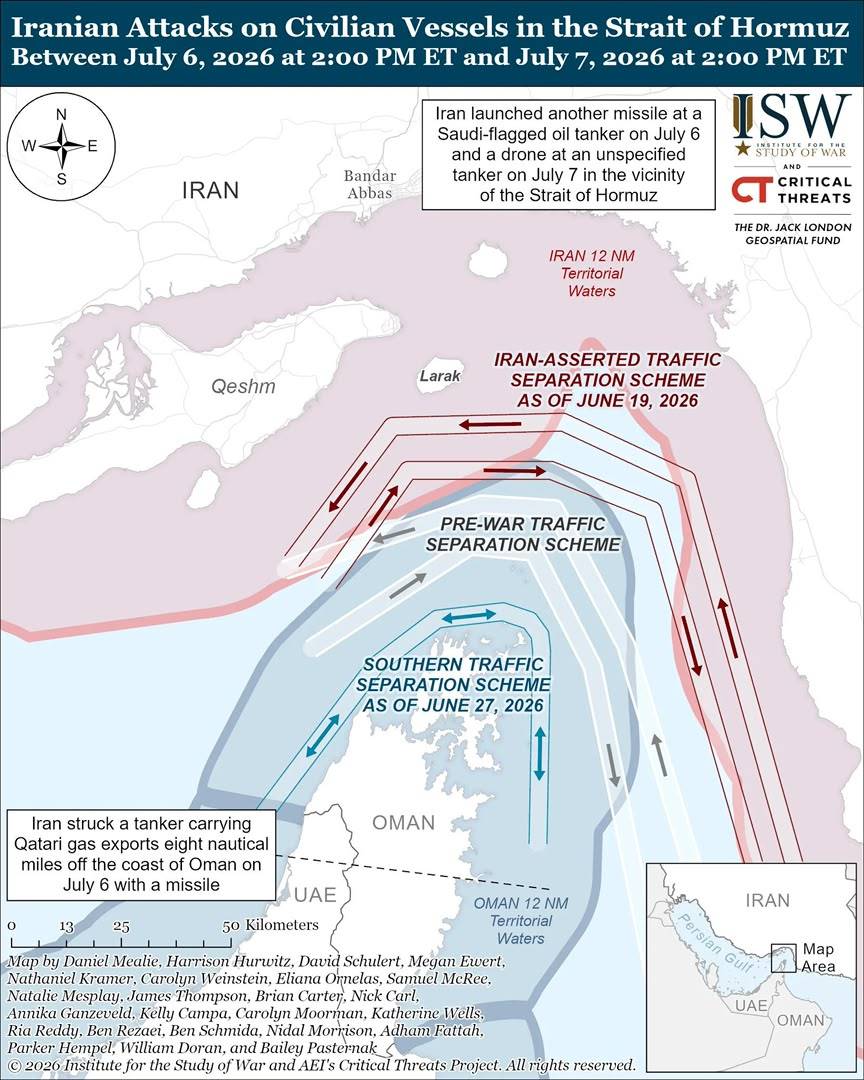
Iran’s recent actions suggest an effort to reinforce its authority over maritime traffic by signaling that commercial vessels cannot ignore Tehran’s influence without consequences. The objective extends beyond disrupting individual ships; it is about preserving the perception that Iran remains capable of affecting the flow of global energy.
Economic leverage depends not only on physical control but also on credibility. If international shipping increasingly relies on routes or security arrangements that reduce Iran’s influence, Tehran’s bargaining power in future diplomatic and economic negotiations would gradually weaken. Losing practical control over traffic through the Strait would diminish one of Iran’s strongest negotiating tools.
For global markets, even limited disruptions can have outsized effects. Higher shipping insurance premiums, increased freight costs, supply-chain uncertainty, and elevated geopolitical risk premiums all contribute to greater volatility in energy markets. Oil prices often respond not only to actual supply disruptions but also to the perceived probability of future disruptions.
This explains why the Strait of Hormuz continues to command the attention of investors, policymakers, and central banks. Markets price uncertainty long before physical shortages emerge.
The broader implication is clear: Iran’s strategy is fundamentally about preserving economic influence. Control over the Strait of Hormuz provides leverage that extends well beyond regional security—it shapes energy markets, affects inflation expectations, and influences the geopolitical balance of power. As long as this leverage remains valuable, the Strait will continue to be one of the world’s most closely watched economic flashpoints.