Peyman Molavi | economist We are now at the peak of the dollar’s power. The dollar should have fallen after the peace deal, reversing safe-haven flows and capital outflows from U.S. assets. Instead, the first Fed meeting under Warsh fundamentally changed market expectations and reinforced the notion …
Why Interest Rates Must Rise to Control Inflation Peyman Molavi | Economist | Wealth Manager Inflation occurs when the overall level of prices in an economy rises faster than the purchasing power of money. While moderate inflation can be a sign of economic growth, persistently high inflation erodes savings, reduces real incomes, and creates uncertainty for households and businesses. One of the …
Why does a sharp increase in interest rates take precedence over any other policy in countries with high inflation? Peyman Molavi Economist | Wealth Manager In economics, no variable can disrupt the basis of economic decision-making as much as inflation. When the inflation rate remains at high levels for a long time, it is not only a matter of increasing prices; the main function of money is also disrupted. …
Iran’s Economic Transition: From Limited Access Order to Open Access Order Iran’s economic challenges cannot be understood solely through inflation, sanctions, exchange rates, or oil revenues. At their core lies a deeper institutional issue: the country’s economy operates as a Limited Access Order (LAO) rather than an Open Access Order (OAO). In a Limited Access Order, economic and political opportunities are concentrated among a relatively small group of …
Kevin Warsh’s Federal Reserve may find itself in a difficult position by the end of 2026. A number of economists argue that inflationary pressures, intensified by the economic fallout from Donald Trump’s confrontation with Iran, could force the Fed to reverse course and raise interest rates sooner than markets currently expect. Higher energy prices, disruptions to global trade routes, and renewed geopolitical uncertainty have already increased inflation risks. If …
The G7’s Shrinking Share of the World — and Its Expanding Influence Peyman Molavi | Economist In 1980, the G7 economies accounted for 60.5% of global GDP while representing 13.8% of the world’s population. Today, those figures have fallen to 44.1% of global GDP and just 9.6% of the world’s population. At first glance, this appears to be a story of decline. …
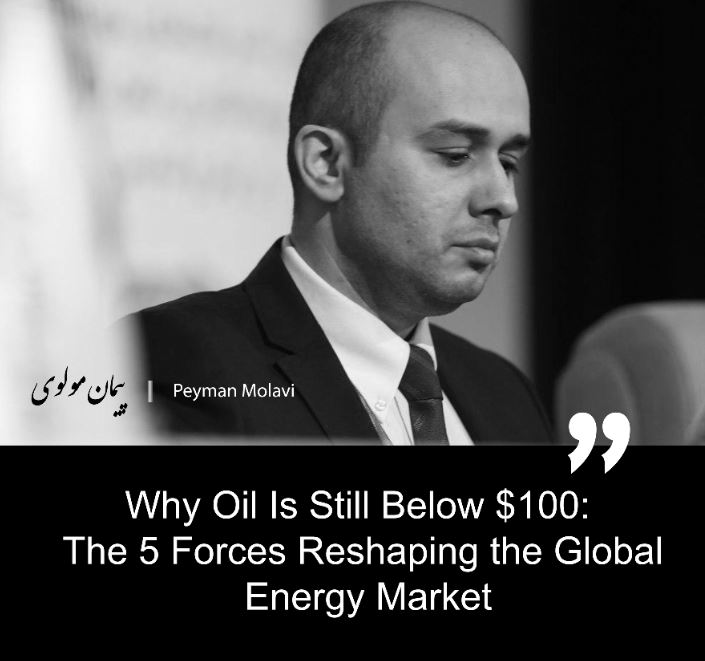
Why Oil Is Still Below $100: The 5 Forces Reshaping the Global Energy Market Peyman Molavi Economist Despite geopolitical tensions, supply disruptions, and repeated predictions of a major oil price spike, crude oil has remained below the psychologically important $100-per-barrel threshold. Many investors expected a return to the energy shocks of the 1970s or even the post-pandemic surge of 2022. Instead, the market has demonstrated remarkable resilience. Here are …
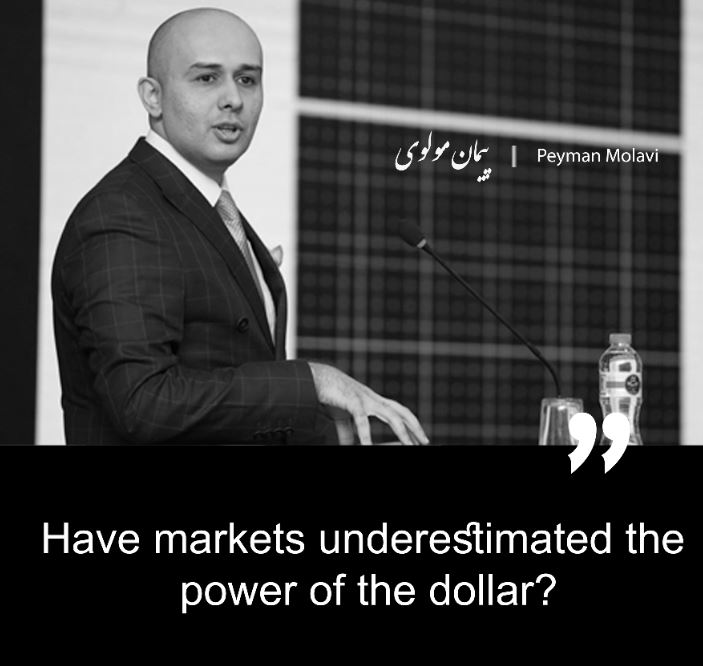
Have Markets Underestimated the Power of the Dollar? Peyman Molavi Economist | Wealth Manager In recent years, the dominant narrative in many financial markets has been that the U.S. dollar is on a path of structural weakness. The arguments are familiar: rising U.S. government debt, chronic budget deficits, rising public spending, and rising geopolitical rivals. But history shows that markets sometimes ignore the most important determinant of a currency’s …
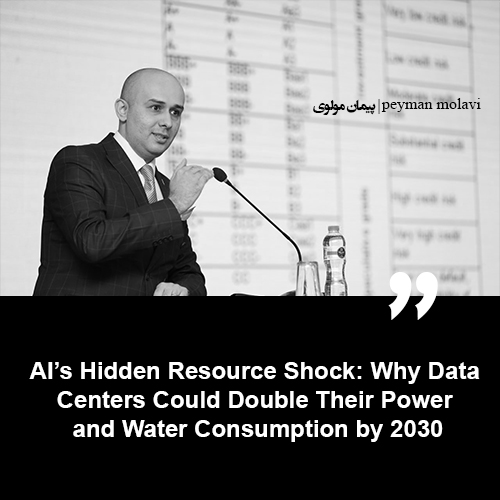
AI’s Hidden Resource Shock: Why Data Centers Could Double Their Power and Water Consumption by 2030 The artificial intelligence revolution is often discussed in terms of computing power, productivity gains, and trillion-dollar market opportunities. Yet behind every AI model, chatbot, image generator, and autonomous system stands a rapidly expanding physical infrastructure whose resource demands are becoming impossible to ignore. According to recent estimates highlighted by United Nations researchers, global …
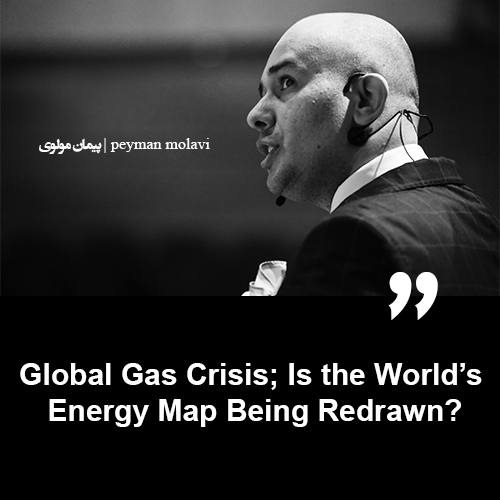
Global Gas Crisis; Is the World’s Energy Map Being Redrawn? In global energy markets, a war, a sanction, or an industrial accident can sometimes reshape global trade routes for decades. Today, the natural gas market is at a point where the world’s three largest producers are simultaneously facing major disruptions—an event that could fundamentally transform global supply and demand structures. …
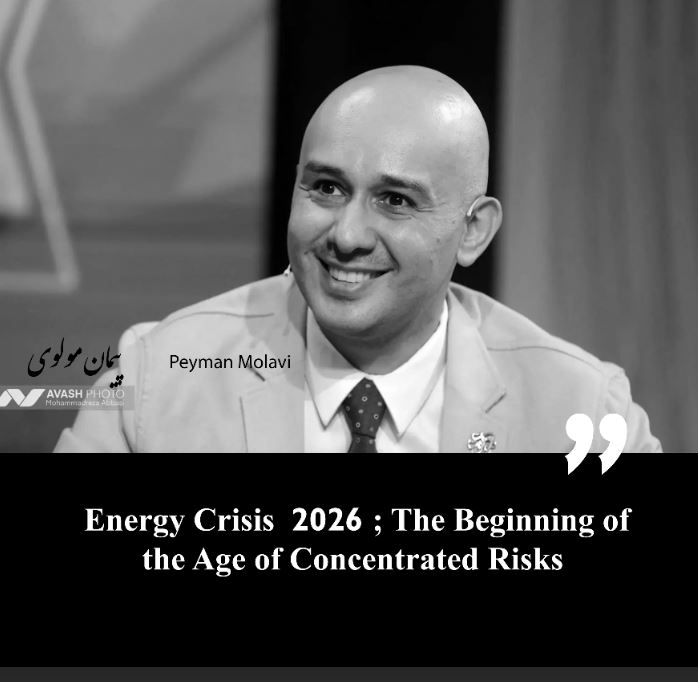
Energy Crisis 2026; The Beginning of the Age of Concentrated Risks Payman Molavi | Economist and Wealth Manager In the history of the global economy, there are moments that are not simply a “price shock” but a sign of a change in the architecture of the system; what is happening in the energy and commodity markets in the spring of 2026 is exactly that kind. The …
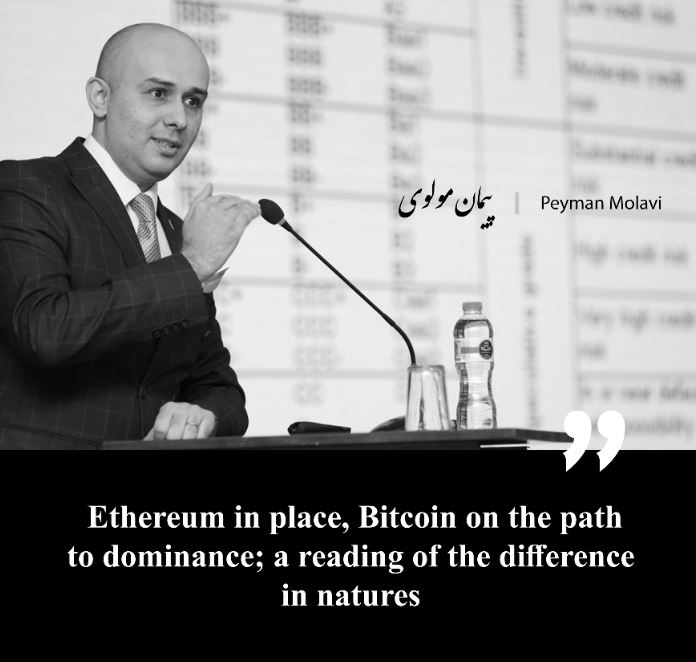
Ethereum at a standstill, Bitcoin on the path to dominance; a reading of the difference in natures Payman Molavi | Wealth Manager The fact that Ethereum’s price is still fluctuating around its previous levels after a few years, while Bitcoin has conquered new price paths, is not a random anomaly in the market; it is a reflection of the profound difference in the “economic identity” of the …
Hormuz Strait Disruption and the Fertilizer Market: A Strategic Summary Author: Peyman Molavi | Senior Economist ⸻ The potential closure of the Strait of Hormuz represents far more than a temporary geopolitical shock—it is a systemic risk to the global economy, with one of its most critical and underappreciated impacts emerging in the fertilizer market. At the heart of the issue lies extreme supply concentration. A significant share of …
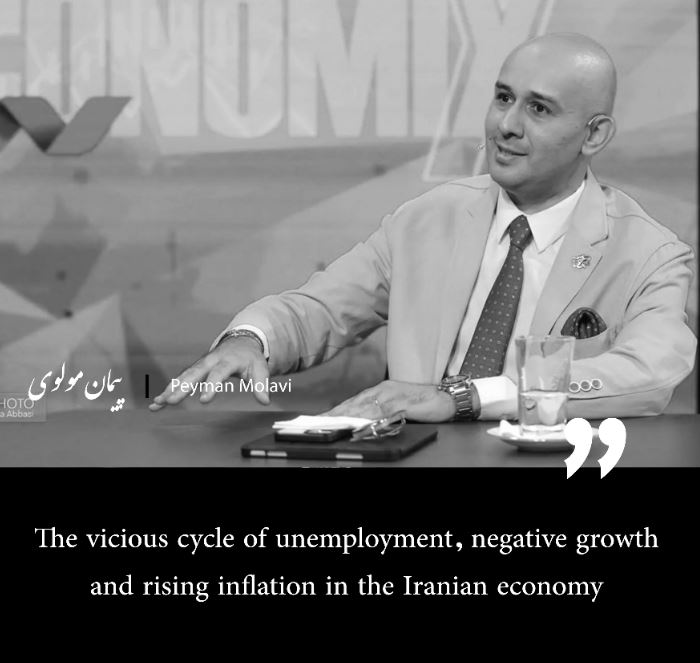
The Vicious Cycle of Unemployment, Negative Growth, and Rising Inflation in the Iranian Economy Peeman Molavi Today, the Iranian economy is involved in a vicious and self-reinforcing cycle; a cycle from which unemployment, negative economic growth, and rising inflation are reproduced simultaneously and not separately, but intertwined and synergistically. Understanding this cycle is an inevitable necessity not only for analyzing the current situation, but also for designing …
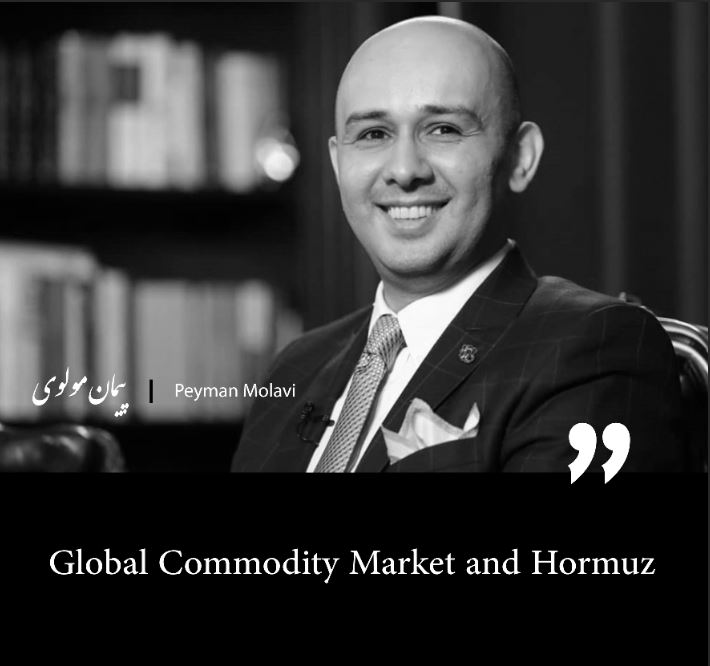
Global Commodity Market and Hormuz! Peyman Molavi | Wealth Manager From a wealth manager’s perspective, what is observed in the behavior of the CRB Index following geopolitical tensions and disruption in the Strait of Hormuz is not simply an emotional market reaction to a temporary shock, but rather a profound sign of a shift in the “risk pricing regime” in the global economy; This means that markets …
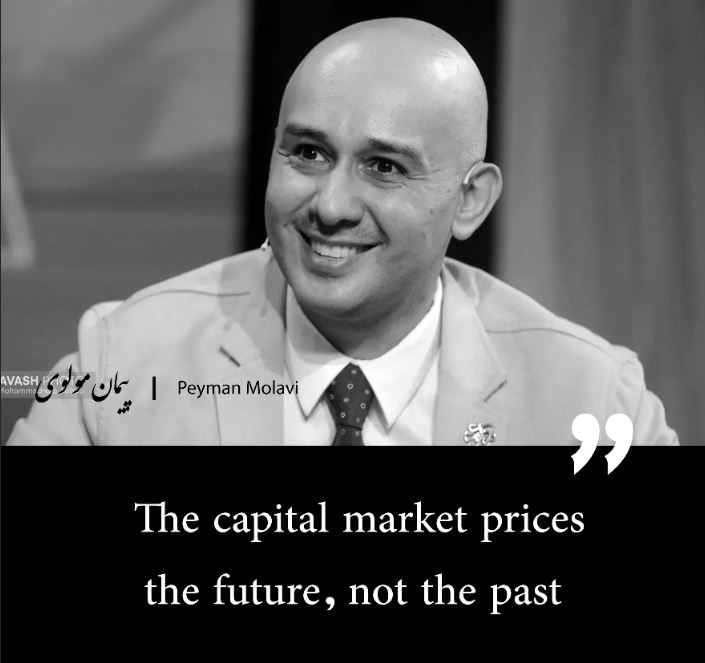
Capital markets price the future, not the past China’s economy is on the surface catching up with the United States, but what is visible in the deeper layers tells a completely different story; one that is more about “quality” and “sustainability” than “size.” In terms of gross domestic product (GDP), China had reached about three-quarters of the US economy …
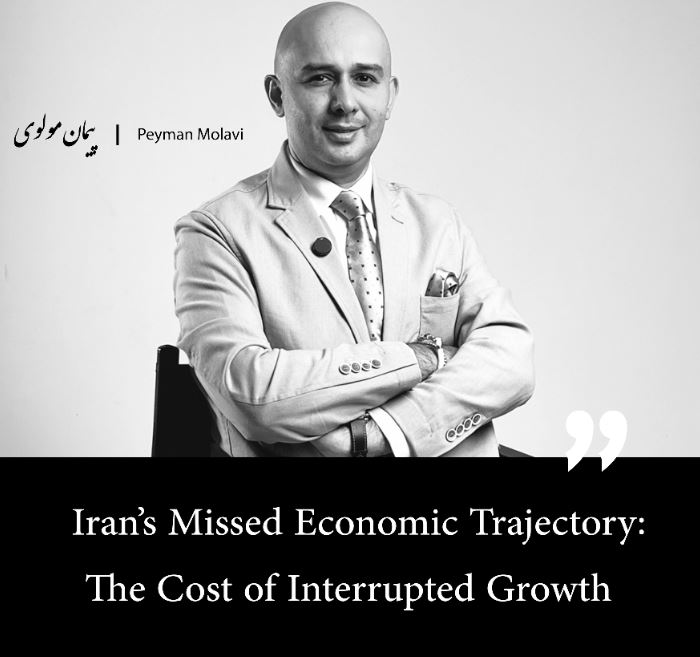
Iran’s Missed Economic Trajectory: The Cost of Interrupted Growth By Peyman Molavi | Founder of Molavicapital Institute | Molavi Economic Research Center | Economic history is not only about what happened, but also about what could have happened. In the case of Iran, the cost of interrupted development paths is far larger than most discussions acknowledge. Based on my calculations, if Iran had maintained a moderate continuation …
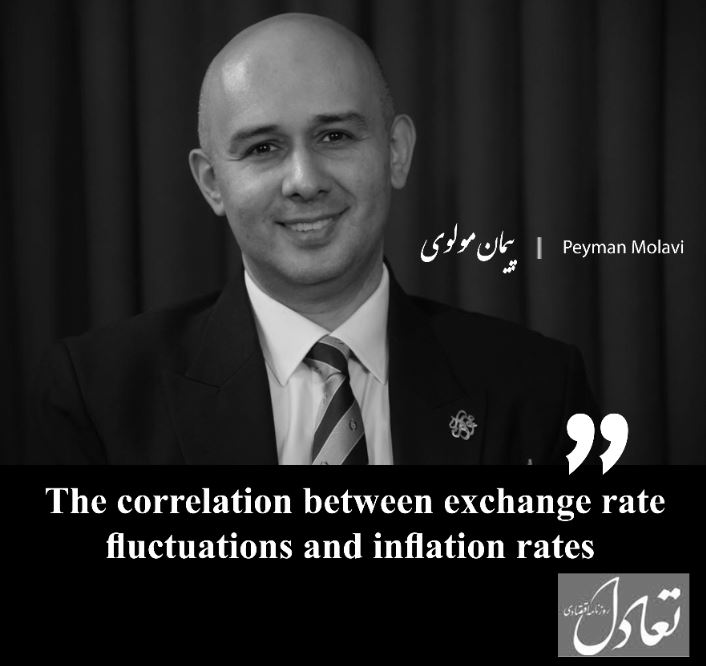
What are the reasons for the recent fluctuations in the country's foreign exchange market? This question is important in a situation where the exchange rate has reached 94,000 tomans in mid-August from 85,000 tomans in early August. The importance of these fluctuations becomes more prominent when we know that the exchange rate did not experience such rapid growth during the 12-day war and was in a stable range. …
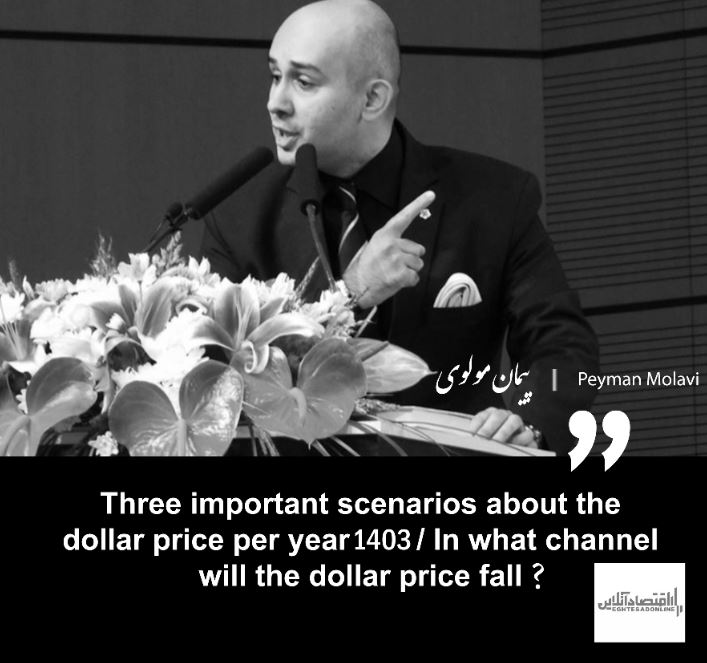
According to EqtasOnline, citing online news, Peyman Molavi, examining three scenarios about the dollar price in 1403, says: When we talk about the dollar price, we must examine inflation scenarios. He adds: According to the optimistic scenario of the Central Bank, liquidity growth will be about 25 percent and economic growth will be about 4 to 5 percent next …
Economist Peyman Molavi, explaining the main factors behind the increase in the dollar price, stated: The main factor behind the increase in the dollar rate is inflation, which is caused by monetary policies. Inflation this year is estimated at around 32 percent, while the effects of Trump's shock have not yet begun and the trigger mechanism has not been activated. …
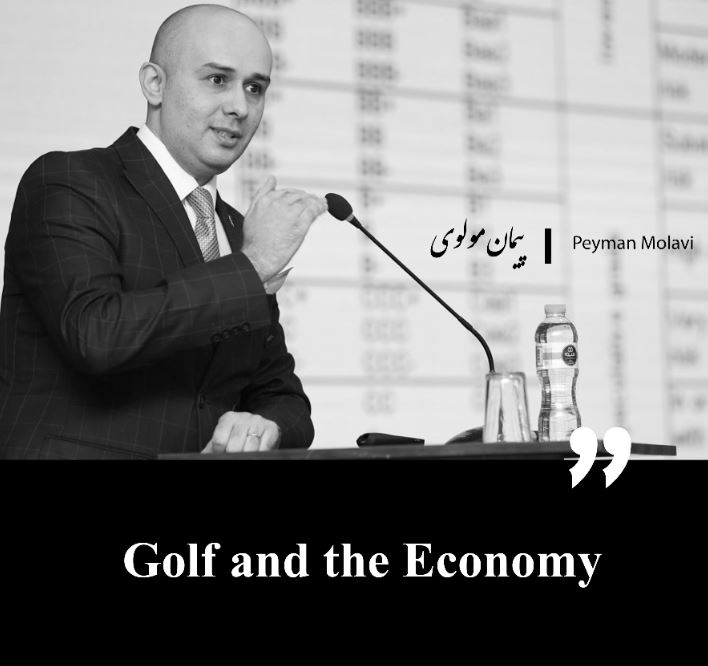
Golf and the Economy I asked my coach, Ehsan Karimian, “With this club, how many yards can I hit? Is it possible to go beyond 100 yards?” He replied, “Which club did you just use?” “It was a 9-iron,” I said. He responded, “With that, you can easily hit 110 yards!” In golf, the angle and number of the club give you different capabilities to reach the ball …
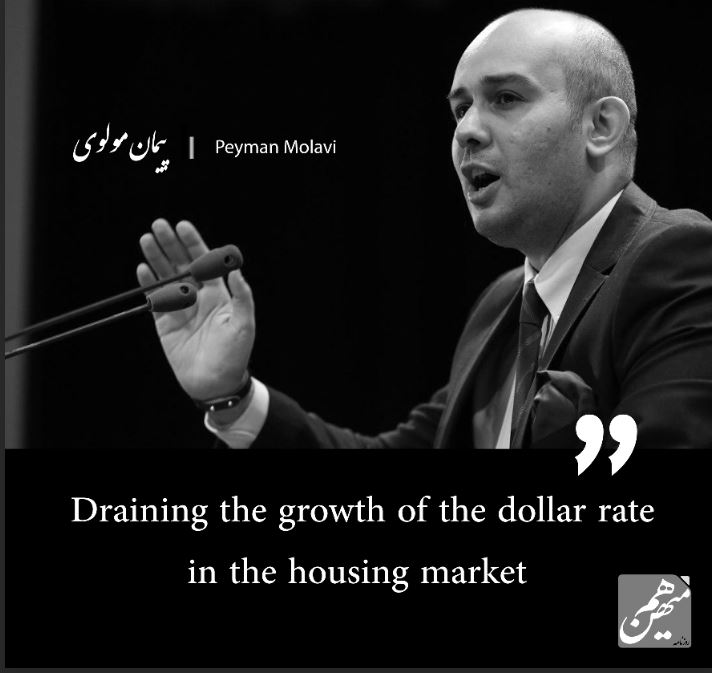
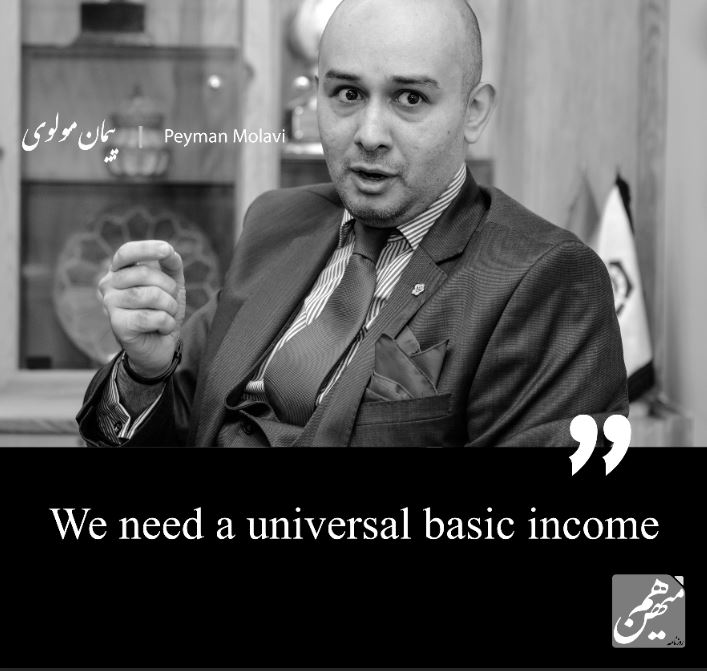
Draining the growth of the dollar rate in the housing market The increase in the price of the dollar always affects the financial markets and in the medium term will cause the markets to face price jumps, and therefore, the country's liquidity will also increase and as a result, we will witness inflation growth in the country. In an interview with "Hammehin", economic expert Peyman Molavi examines the impact of …
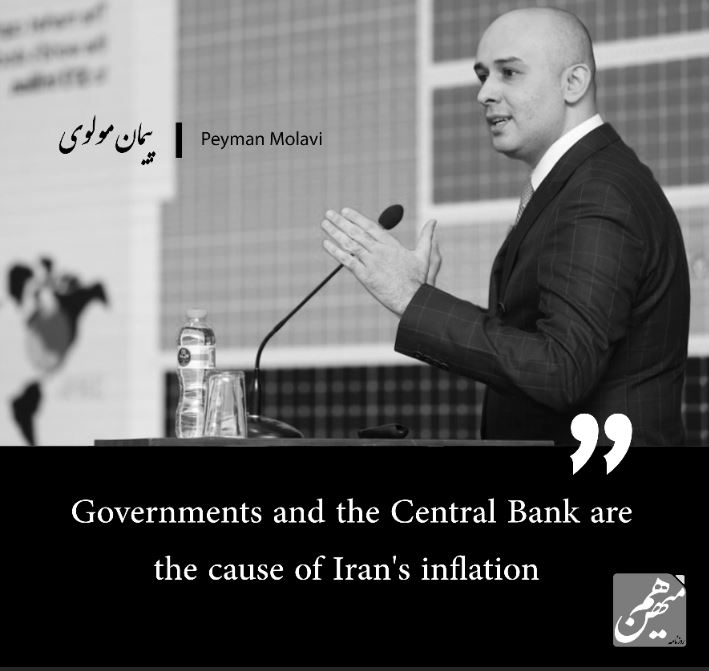
Governments and the Central Bank are the Cause of Iran's Inflation In an interview with "Compatriot", economic expert Peyman Molavi stated: "In my opinion, the first culprits of inflation and price hikes in Iran are the governments and the Central Bank. These institutions are primarily responsible for the country's economic management, and their decisions have a direct impact on the inflation and price hike situation." He continued: "In my opinion, …
Will withdrawing $1 billion from the National Development Fund to provide food aid help the people? Economist Peyman Molavi answered this question in an interview with "Compatriot" and said that the government has not properly understood the country's main problems. He says that nothing can be done without reducing the budget and eliminating inefficient budgets in the economy, which are in the hands of the government, and dividing $1 billion …
According to some independent economic experts, the artificial devaluation of th national currency by more than 300 percent in the past year is a catalyst for the implementation of this bitter scenario for the Iranian economy, especially at a time when it is struggling with the most severe sanctions. In this regard, we have had an interview with Dr. Peyman Molavi, …
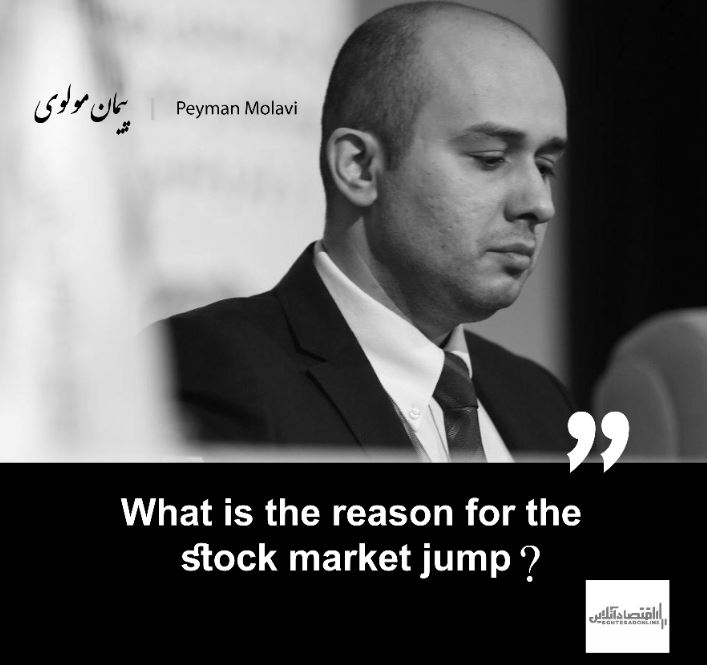
What is the reason for the stock market jump? According to EqtasedOnline, Peyman Molavi, a capital market expert in Dunya Eqtased, wrote; Currently, some investors believe that, given the unfavorable conditions of the past year, now is a good time to buy shares of companies that have a favorable situation in terms of dividend distribution. This group of shareholders considers …
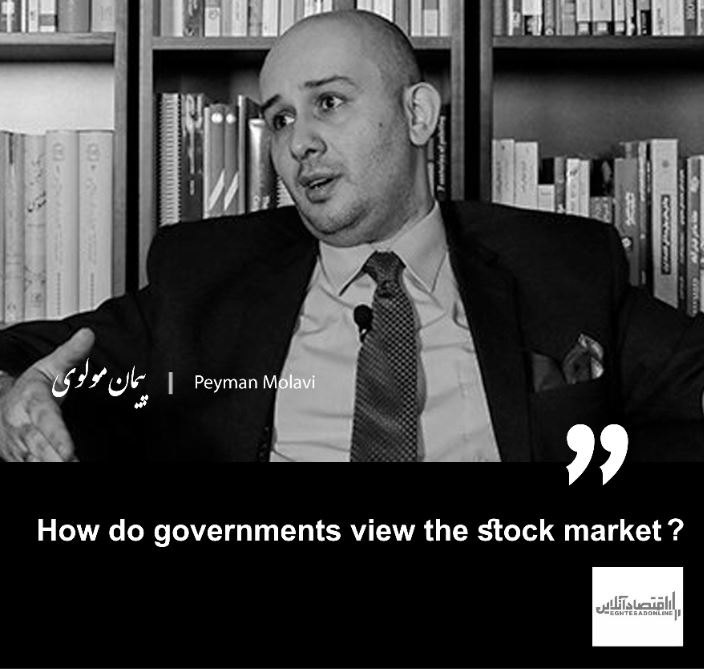
How do governments see the stock market? According to EqtasOnline, Peyman Molavi, an economic expert in the world of economics, wrote; At first, everything was beautiful and eye-catching, but only two turns were enough for the results of that illusion of scientific forestry to become apparent. The Germans suffered from forest death and instead of increasing production, they …
پیمان مولوی متولد ۱۳۶۱ در تبریز است. او فارغالتحصیل دانشگاه اسکس انگلستان است. او بنیانگذار آکادمی مولوی، مولوی کپیتال و موسسه مولوی است و در حوزه سرمایهگذاری و تأمین مالی بینالمللی فعالیت دارد. او نویسنده کتاب «رقص بازارها و مغالطههای اقتصادی ذینفعان و اقتصاد برای همه » است.
تماس با ما
آدرس: تهران-بزرگراه کردستان-بلوار آزادگان-کوچه ۲۱ شرقی-پلاک ۲
تلفن: ۰۹۱۲۰۷۱۱۴۳۳
۰۲۱۸۸۳۳۳۲۶۴